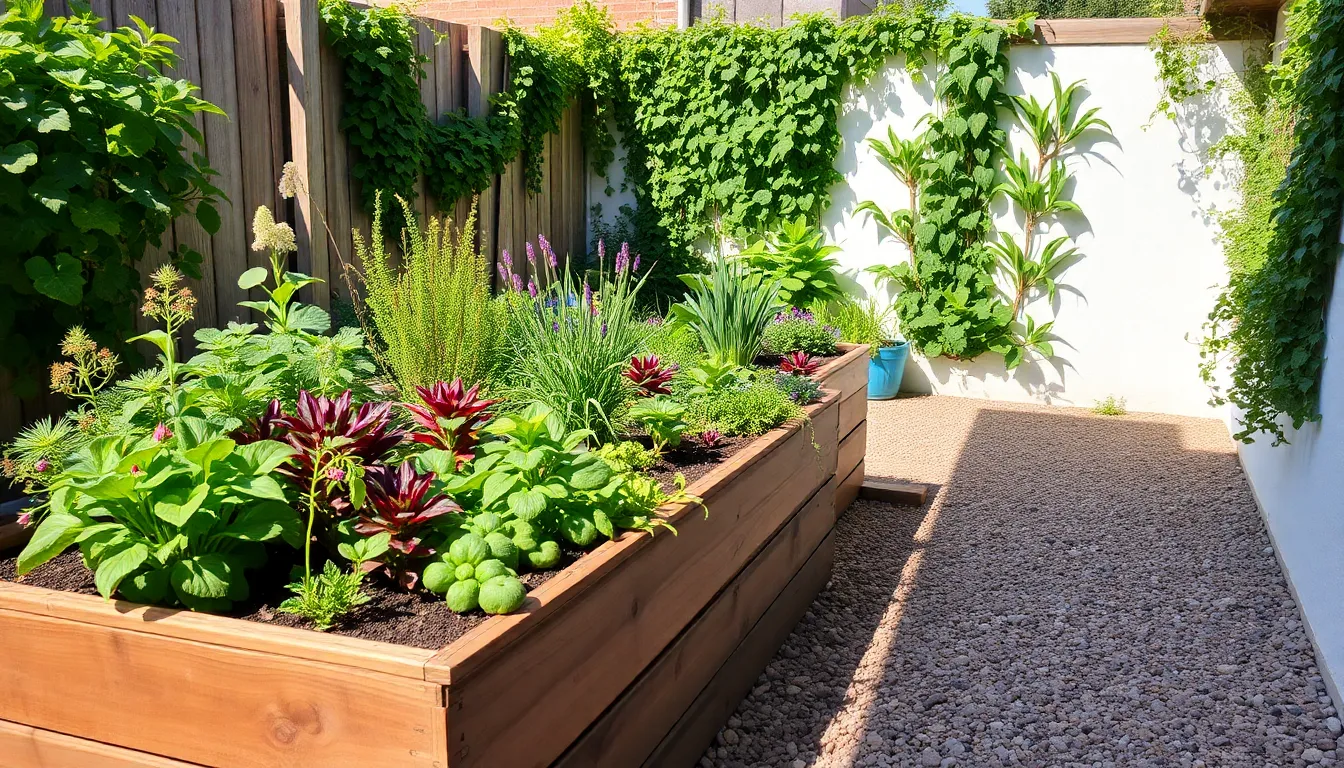
Transforming a garden doesn’t require a degree in horticulture or a wallet bursting with cash. With a sprinkle of creativity and a dash of elbow grease, anyone can turn their outdoor space into a personal paradise. DIY garden projects not only elevate the aesthetics of a yard but also offer a therapeutic escape from the daily grind.
DIY Garden Projects
Transforming a garden involves a variety of projects that cater to different skill levels and interests. Creating raised beds offers a perfect solution for growing vegetables while enhancing landscaping. Incorporating pathways adds structure and accessibility, guiding visitors through the garden.
Building trellises supports climbing plants, maximizing vertical space. Installing a compost bin promotes sustainability and enriches soil, benefiting plant health. Crafting garden decor pieces, such as birdhouses or wind chimes, adds personality and attracts wildlife, enriching the ecosystem.
Planting native species encourages biodiversity and reduces ongoing maintenance. Designing water features, like small ponds or fountains, introduces soothing sounds and visual intrigue. Establishing a herb garden not only provides fresh ingredients but also enhances the garden’s aroma.
Creating seating areas invites relaxation and enjoyment of the outdoor space. Implementing vertical gardens utilizes walls for greenery, ideal for small areas. Adding lighting enhances ambiance, allowing for enjoyment of the garden after dark.
Using repurposed materials, like pallets or old furniture, showcases creativity while reducing waste. Maintaining a planting schedule ensures seasonal blooms and ongoing interest throughout the year. Identifying local resources, such as community workshops or plant exchanges, fosters connections and shared knowledge.
Engaging in DIY garden projects cultivates a personal connection to nature while providing skills and satisfaction. Refreshing outdoor spaces becomes possible with thoughtful planning and execution. Each project contributes to a vibrant and lively environment, reflecting individual style and preferences.
Popular DIY Garden Projects
Engaging in DIY garden projects can greatly enhance any outdoor space. Individuals can choose from a variety of creative and practical options.
Raised Garden Beds
Raised garden beds offer an ideal solution for growing vegetables and herbs. They improve soil drainage and provide better access for planting, watering, and harvesting. A height of 12 to 24 inches is often recommended for ease of use. Constructing raised beds requires materials like untreated wood, concrete blocks, or metal. Each option allows for customization based on personal landscape preferences. Adding a protective barrier at the bottom can deter pests while reinforcing the bed structure.
Vertical Gardens
Vertical gardens optimize limited space by utilizing walls or fences for plant growth. This method allows individuals to grow flowers, herbs, or even vegetables wherever available space exists. Choose from various vertical gardening systems, including pocket planters, trellises, or modular planting kits. Selecting plants that thrive in vertical settings is crucial, as they need to adapt to different light and moisture levels. Implementing this design also improves air quality and adds aesthetic appeal to otherwise plain surfaces.
Garden Pathways
Garden pathways enhance accessibility and guide visitors through a garden’s layout. Materials like gravel, bricks, or wood chips work well for creating functional designs. A width of at least 36 inches facilitates two-way traffic, making navigation easier. Carefully planning the path’s path aids in integrating with existing landscaping while ensuring proper drainage. Pathways can also seamlessly connect different garden areas or lead to focal points, enhancing the overall experience of the outdoor space.
Tools and Materials Needed
Effective DIY garden projects require specific tools and materials. Gathering these essentials simplifies the process and enhances results.
Essential Tools
A sturdy shovel facilitates soil preparation. Trowels help with precise planting and digging. A wheelbarrow makes transporting soil and materials easier. Secateurs are crucial for pruning plants and maintaining garden health. Gloves protect hands while working with soil and plant materials. A watering can or hose ensures efficient watering, promoting plant growth.
Recommended Materials
Selecting the right materials is vital. Raised bed kits provide structured growing spaces. Quality soil enriches the environment for vegetables and herbs. Mulch retains moisture and suppresses weeds effectively. Trellises made from wood or metal support climbing plants. Compost bins contribute to sustainability by recycling organic waste. Decorative elements like birdhouses enhance garden aesthetics while attracting wildlife.
Tips for Successful DIY Projects
Successful DIY garden projects rely on thoughtful planning and effective budgeting. By focusing on these areas, individuals can achieve desirable outcomes while minimizing stress.
Planning and Design
Start with a clear vision for the garden space. Sketching layouts on paper helps visualize the design. Prioritize selecting suitable plants based on local climate and sunlight availability. Consider accessibility when designing pathways and raised beds. Including native plants fosters biodiversity and reduces maintenance. Research various garden styles for inspiration, from contemporary to cottage gardens. Inviting friends or family into the planning process can provide fresh perspectives and ideas.
Budgeting Your Project
Establish a realistic budget before beginning any project. Outline material costs, including soil, plants, and tools. Seek out local discounts or community resources for cost savings. Repurposing materials like old pallets or bricks can lower expenses while adding unique character. Factor in extra costs like mulch and fertilizers. Keeping track of expenses in a simple spreadsheet allows for easy adjustments. Planning for unexpected expenses ensures smoother project completion without financial strain.
Safety Considerations
Safety plays a crucial role in executing DIY garden projects successfully. Individuals should employ safety gear to minimize risks. For instance, gloves protect hands from sharp tools and rough materials. Wearing garden clogs or sturdy footwear helps prevent injuries from sharp objects or while traversing uneven terrain.
Proper tool use ensures safety and efficiency. Each tool, like shovels and secateurs, requires careful handling. Training on the effective use of power tools reduces the likelihood of accidents. It’s essential to follow manufacturer instructions to maintain equipment and handle tools correctly.
Creating defined workspaces can enhance safety. Clear areas free of clutter reduce trip hazards. Keeping commonly used tools within arm’s reach streamlines the process, preventing unnecessary movements that might lead to accidents.
Awareness of environmental factors remains vital. Weather conditions can affect project execution. Wet or windy days introduce challenges that increase the risk of slips or falls. Individuals should consider working during calm, dry weather to maintain better control and focus.
Staying hydrated contributes to overall safety. Dehydration can impair judgment and physical performance, especially during extended outdoor activities. Regular breaks provide opportunities to rehydrate and reassess project progress.
Focusing on the chemical safety of materials also matters. Choosing non-toxic paints or fertilizers protects both the gardener and the surrounding ecosystem. Following all safety guidelines for handling chemicals ensures a safer working environment.
Planning for first aid accessibility too enhances safety measures. Keeping a first aid kit nearby enables immediate response to minor injuries. Awareness of local emergency numbers can expedite help in more serious situations.
Conclusion
DIY garden projects offer an incredible opportunity for anyone looking to enhance their outdoor space. With creativity and a bit of effort, transforming a garden into a personal paradise is entirely achievable. These projects not only beautify a yard but also provide a therapeutic escape from daily life.
By engaging in various tasks like building raised beds or creating vertical gardens, individuals can cultivate their gardening skills while enjoying the process. Planning and budgeting effectively ensures that these projects remain accessible, allowing for a unique expression of personal style.
Safety considerations and the use of proper tools further enhance the gardening experience. Ultimately, embarking on DIY garden projects cultivates a deeper connection to nature and fosters a vibrant outdoor environment that reflects individual preferences.