In a world where textbooks reign supreme, students often miss out on the vibrant tapestry of cultural experiences waiting just outside their classrooms. Imagine swapping boring lectures for exciting cultural activities that spark creativity and foster connections. These experiences not only enrich students’ lives but also help them develop a broader worldview.
From art workshops to music festivals, cultural activities offer a delightful escape from the daily grind. They provide opportunities for students to explore their passions, meet new friends, and maybe even discover their hidden talents. So why let those precious moments slip away? Embrace the chance to dive into cultural adventures that promise to be as educational as they are entertaining. After all, who wouldn’t want to learn about the world while having a blast?
Cultural Activities For Students
Cultural activities play a crucial role in students’ development. These experiences enrich their education, offering opportunities that stretch beyond textbooks.
Social Development
Engagement in cultural activities promotes social skills and teamwork. Students meet peers from diverse backgrounds, fostering understanding and collaboration. Participation in events such as theater performances or cultural festivals encourages open communication. Building relationships during cooperative projects enhances networking skills. Additionally, it nurtures empathy and respect for different perspectives. Students gain confidence when expressing themselves in various cultural contexts. Thus, these interactions significantly contribute to their social growth.
Academic Benefits
Involvement in cultural activities can enhance academic performance. Students develop critical thinking and problem-solving skills through hands-on experiences in art or music. Exposure to different cultures encourages curiosity and a broad mindset. Enhanced creativity often reflects in students’ academic work, leading to improved grades. Moreover, participation in learning workshops fosters engagement with complex topics. Cultural experiences reinforce connections between theoretical knowledge and real-world applications. A vibrant educational environment, enriched with cultural activities, supports holistic academic growth.
Types Of Cultural Activities
Cultural activities offer diverse experiences that enrich students’ educational journeys. They can engage in various activities, from arts and crafts to music and performing arts.
Arts And Crafts
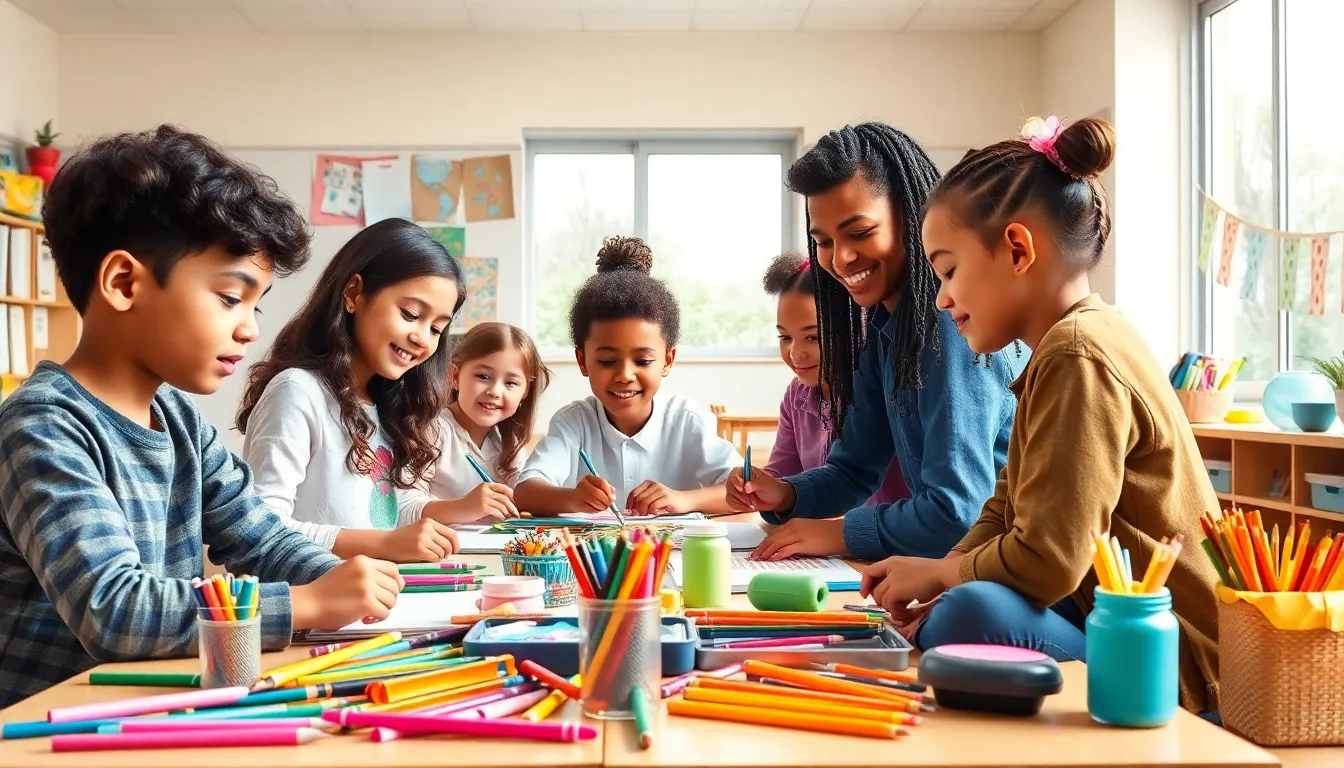
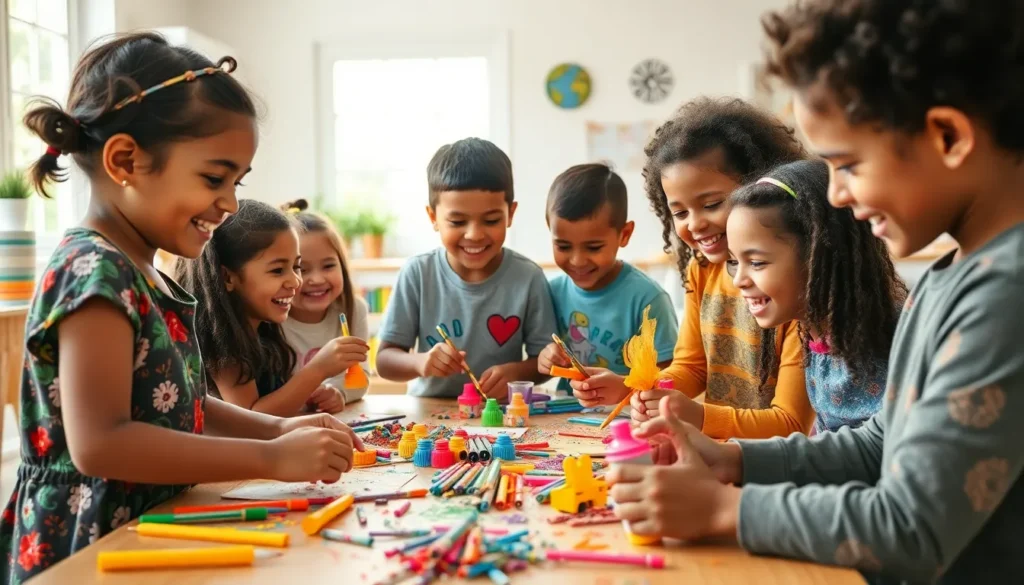
Arts and crafts foster creativity and self-expression among students. Participation in workshops allows students to explore different mediums, such as painting, sculpting, or pottery. Craft projects can improve fine motor skills and enhance problem-solving abilities. Group activities often encourage collaboration, enabling students to share ideas and techniques. Local art exhibitions provide further inspiration, showcasing various artistic styles and promoting appreciation for creativity.
Music And Performing Arts
Music and performing arts engage students through rhythm and storytelling. Students can join school bands, choirs, or drama clubs, enhancing their teamwork and communication skills. Participation in these activities often boosts confidence and public speaking abilities. Attending live performances exposes students to various genres and cultural expressions, enriching their understanding of the arts. Workshops with professionals provide valuable insights, helping students refine their talents and discover new passions.
Cultural Festivals
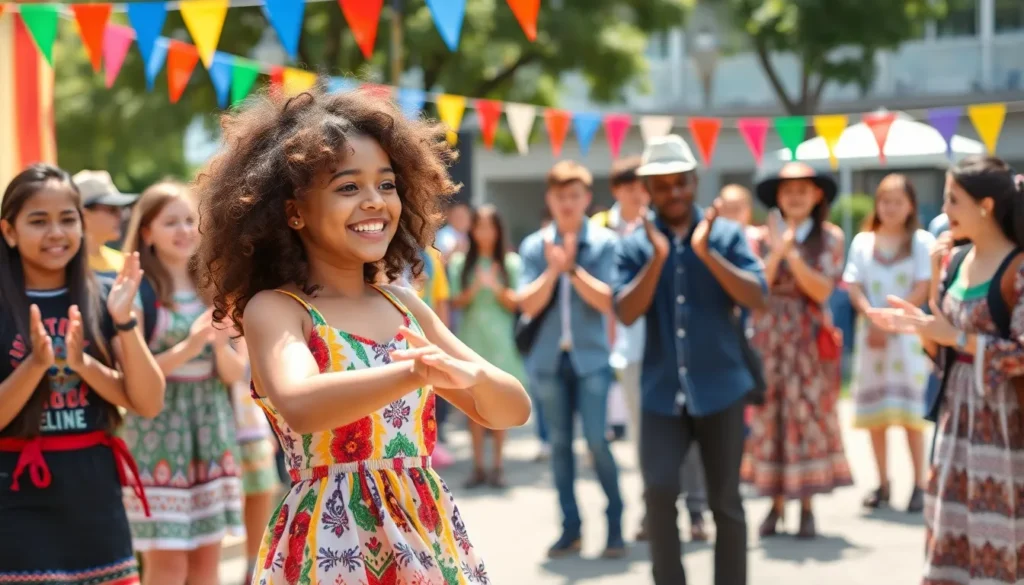
Cultural festivals celebrate diversity and promote inclusion among students. Attending such events enables participants to experience different traditions, cuisines, and art forms. Festivals often feature performances, workshops, and exhibitions that encourage student involvement. Engaging with community members fosters connections and broadens perspectives. Moreover, these experiences allow students to appreciate their own culture while learning about others, cultivating empathy and respect for all.
How To Incorporate Cultural Activities In Education
Incorporating cultural activities into education enriches students’ experiences and fosters personal growth. Various approaches can enhance their learning journey.
School Programs
School programs play a vital role in introducing cultural activities. These programs can include art workshops, music classes, and theater performances. Engaging students in these activities nurtures creativity and collaboration. Field trips to museums or cultural centers expand their horizons and expose them to diverse perspectives. Organizing events like talent shows encourages self-expression and builds confidence among students. Integrating these experiences into the curriculum creates a more holistic approach to education.
Community Involvement
Community involvement significantly enhances cultural learning experiences. Partnering with local organizations allows students to participate in cultural festivals and workshops. Volunteering at community events cultivates empathy and respect for various traditions. Organizing cultural exchange programs fosters understanding between students from different backgrounds. Participation in local art initiatives not only develops artistic skills but also strengthens community ties. Engaging with the community creates real-world connections that enrich the educational experience.
Challenges In Implementing Cultural Activities
Implementing cultural activities in education presents several challenges that schools must address for successful integration. These challenges include budget constraints and participation issues.
Budget Constraints
Budget constraints significantly impact the implementation of cultural activities. Funding often falls short, making it difficult to organize events like art workshops and theater performances. Schools frequently rely on limited resources, which can restrict the variety of cultural experiences offered. Additionally, costs associated with materials, facilitators, and venue rentals contribute to financial challenges. When schools cannot allocate sufficient funds for cultural programs, opportunities for students to engage with diverse arts and traditions diminish. Allocating funds toward grants or partnerships with local organizations can provide some relief and enhance cultural offerings.
Participation Issues
Participation issues hinder the effectiveness of cultural activities. Students may express low interest in events due to lack of awareness or scheduling conflicts. Sometimes, students feel intimidated by unfamiliar activities or perceive them as unimportant. Engaging diverse groups requires intentional efforts to create an inclusive environment where all students feel welcomed. Overcoming these barriers often involves proactive outreach, ensuring events appeal to a wide range of interests. Developing targeted strategies to increase participation, such as student-led initiatives or incentives for involvement, can enhance engagement in cultural activities.
Conclusion
Cultural activities offer students invaluable experiences that extend beyond traditional learning. By participating in these events, they not only enhance their creativity and social skills but also gain a deeper understanding of diverse perspectives. Engaging with the community through cultural initiatives fosters empathy and respect, essential qualities in today’s interconnected world.
While challenges exist in implementing these activities, proactive strategies can effectively address them. Encouraging student involvement and collaboration with local organizations can create a vibrant cultural landscape within educational settings. Ultimately, embracing cultural activities enriches students’ educational journeys, preparing them for a more inclusive and dynamic future.