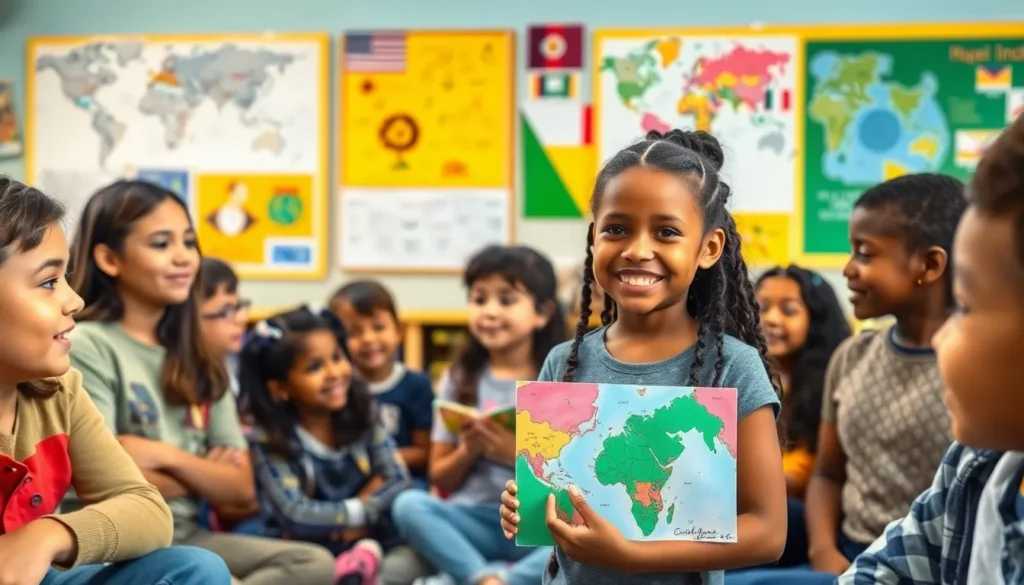
In today’s globalized world, cultural awareness isn’t just a nice-to-have; it’s a must-have. Imagine a classroom where students don’t just learn about different cultures but genuinely appreciate and celebrate them. Cultural awareness activities can transform a typical school day into a vibrant tapestry of experiences, fostering empathy and understanding among students.
Cultural Awareness Activities For Students
Cultural awareness activities significantly enhance students’ educational experiences. Such activities prepare students to thrive in diverse environments. Students engaging in these activities develop empathy by understanding different perspectives. Exposure to various cultures fosters a sense of belonging and acceptance among peers.
Educational institutions benefit when cultural awareness is prioritized. Building cultural competence equips students with skills for future professional interactions. Students learn to appreciate diversity, creating harmonious relations in their communities. Engaging in cultural exchanges promotes open-mindedness, allowing students to challenge stereotypes and biases.
Research supports that cultural awareness activities improve social skills. A study by the National Education Association found that students participating in such activities exhibit better communication abilities. Additionally, these activities encourage critical thinking as students analyze cultural differences. Activities such as cultural days, collaborative projects, and guest speaker events cultivate curiosity about the world.
Active involvement in cultural awareness programs can impact students’ academic performance positively. Students exposed to multicultural education often show increased academic achievement. Schools that incorporate these activities see improvements in student engagement and motivation.
By participating in cultural awareness activities, students gain practical life skills. Decision-making abilities enhance as they navigate cultural nuances. Collaboration with peers from diverse backgrounds encourages teamwork and respect. All these factors contribute to developing more well-rounded individuals prepared for a global society.
Types Of Cultural Awareness Activities
Cultural awareness activities come in various forms, each offering unique experiences that promote understanding and appreciation of diverse cultures.
Intercultural Exchange Programs
Intercultural exchange programs provide students opportunities to immerse themselves in different cultures. Programs often involve hosting international students or traveling abroad to experience local customs and traditions firsthand. Students gain language skills and deepen their understanding of global issues through direct interaction. Learning about daily life in other cultures can enhance empathy, fostering lasting friendships and connections. Implementation of such programs often results in enriched personal growth and expanded worldviews.
Multicultural Workshops
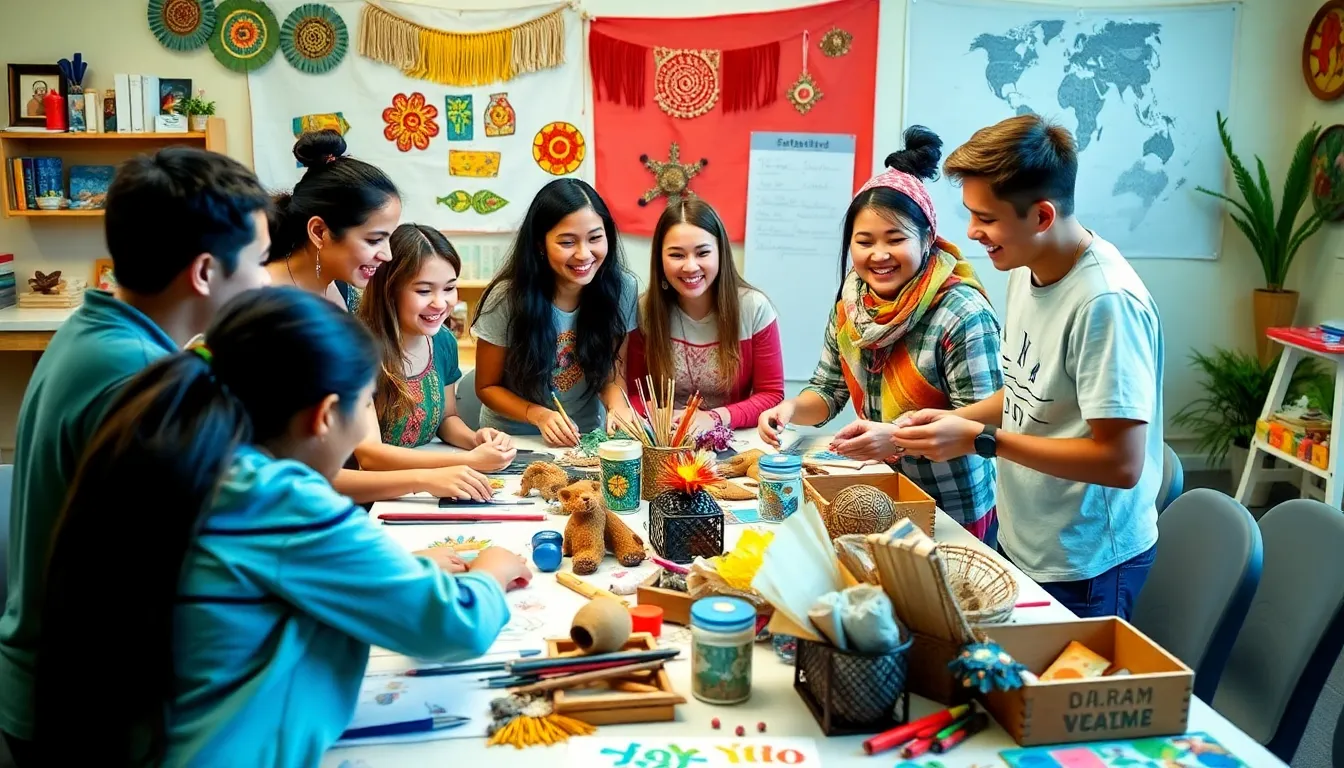
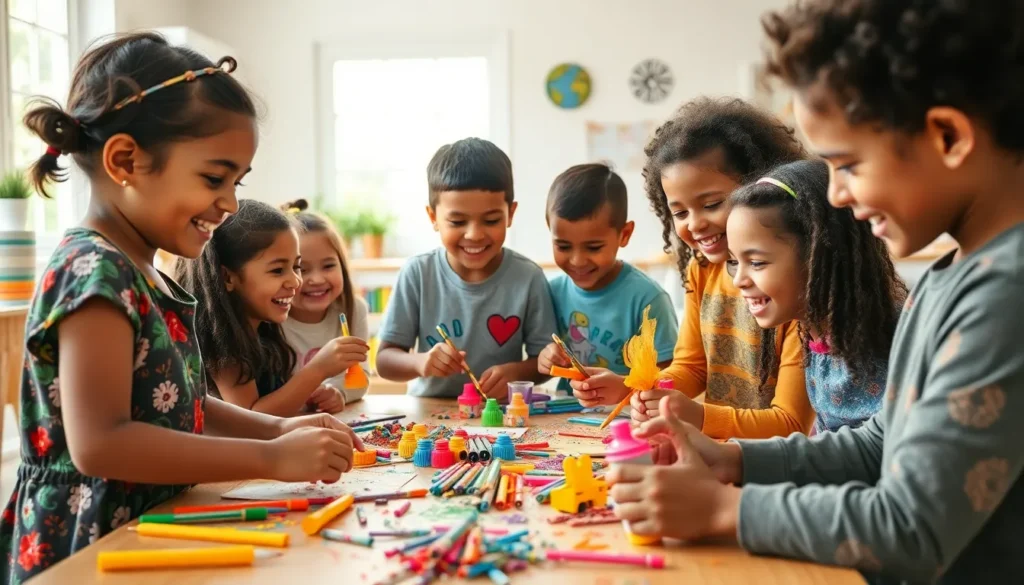
Multicultural workshops deliver engaging, hands-on learning experiences. These workshops typically introduce students to different arts, culinary traditions, or rituals from various cultures. Participants often explore diverse music styles, dance forms, and traditional crafts. By collaborating on projects or sharing personal stories, students build cultural competency and improve teamwork skills. Such immersive learning not only celebrates diversity but also cultivates respect and appreciation among peers.
Community Service Projects
Community service projects empower students to engage with local cultures meaningfully. Projects often include volunteering at cultural festivals, organizing food drives, or supporting local immigrant communities. Students learn the importance of social responsibility and develop critical thinking skills while addressing community needs. Participating in these projects fosters a sense of belonging and reinforces cultural ties. Engaging in service opportunities allows students to form connections, demonstrating the value of collaboration and empathy in their communities.
Benefits Of Engaging In Cultural Awareness Activities
Cultural awareness activities provide numerous benefits for students. Engaging in these activities cultivates an environment of empathy and understanding, essential for personal and academic growth.
Enhanced Empathy And Understanding
Empathy grows as students learn about diverse cultures. They begin to recognize different perspectives and experiences, fostering deeper connections with peers. Understanding cultural nuances promotes acceptance, and students can challenge stereotypes more effectively. By participating in activities that highlight these differences, empathy extends beyond the classroom. This enhanced understanding contributes to a supportive and inclusive school environment. Research shows that students who engage with various cultures exhibit greater emotional intelligence. Developing this skill results in stronger friendships and collaboration among students, preparing them for diverse workplaces.
Improved Communication Skills
Improving communication skills becomes a natural outcome of cultural awareness activities. Students learn to express themselves clearly while navigating different cultural contexts. They practice active listening, which enhances engagement and comprehension. Cultural exchanges expose students to various communication styles, allowing them to adapt their approach in conversations. Such experiences cultivate confidence and reduce misunderstandings in both personal and professional interactions. Furthermore, students often report feeling more comfortable in diverse group settings. As a result, improved communication skills not only contribute to academic success but also prepare students for success in a globalized world.
Tips For Implementing Cultural Awareness Activities In Schools
Implementing cultural awareness activities enhances students’ educational experiences while fostering understanding among diverse groups. Successful initiatives require thoughtful planning and collaboration.
Collaborating With Local Communities
Engaging with local communities enriches cultural awareness activities. Schools can partner with community organizations to arrange cultural events, workshops, and guest speaker sessions. Collaborations create authentic learning experiences for students by connecting them with local cultural experts. For example, inviting community leaders to speak about their cultures promotes firsthand insights. Schools can also participate in local festivals, encouraging students to appreciate traditions different from their own. Building relationships with local cultural organizations fosters a deeper sense of belonging for students and reinforces social responsibility. Active involvement in local cultures helps students recognize and celebrate diversity within their communities.
Integrating Technology In Activities
Utilizing technology enhances the dynamic of cultural awareness activities. Virtual exchanges through platforms like Zoom allow students to connect with peers from other countries, thus broadening their perspectives. Furthermore, online resources provide access to diverse cultural materials, such as videos, articles, and interactive exhibitions. Schools can also incorporate multimedia projects where students showcase their cultural research. For instance, creating podcasts about different traditions or making digital presentations encourages creativity while deepening understanding. Technology not only streamlines communication but also promotes collaboration among students, making cultural learning more engaging and accessible. Each technological tool reinforces global connections, preparing students for future interactions in a diversified world.
Conclusion
Cultural awareness activities play a crucial role in shaping students into empathetic and well-rounded individuals. By engaging with diverse cultures through hands-on experiences students not only enhance their social skills but also develop a deeper understanding of the world around them. These initiatives prepare them for future interactions in an increasingly interconnected society.
The benefits extend beyond the classroom fostering a sense of community and belonging among peers. Schools that prioritize cultural awareness create inclusive environments where students thrive academically and socially. Embracing these activities is essential for cultivating a generation that values diversity and practices acceptance. Through thoughtful implementation and collaboration with local communities schools can significantly enrich their students’ educational journeys.