Cultural activities are like the spice rack of life; they add flavor and excitement to our everyday routines. From art exhibits to local festivals, these activities help people connect with their heritage and explore new perspectives. They’re not just fun; they’re essential for personal growth and community bonding.
What Are Cultural Activities
Cultural activities encompass a broad range of experiences that reflect and express the values, traditions, and creativity of a community. People engage in these activities to explore their heritage and connect with others.
Definition of Cultural Activities
Cultural activities include community events, performances, and artistic expressions. They can involve music concerts, theatrical performances, and art exhibits. Festivals often celebrate cultural traditions and bring people together. Educational programs also fall into this category, allowing individuals to learn about history, art, and cultural practices. This variety highlights how such activities serve to foster a deeper understanding of cultural identity.
Importance of Cultural Activities
Cultural activities play a crucial role in personal growth and social connection. Participating in them enhances creativity and broadens perspectives. Engagement with these activities strengthens community bonds and cultivates a shared sense of belonging. Additionally, such experiences provide opportunities for emotional expression and cultural appreciation. They allow individuals to experience diversity and promote inclusivity in society.
Types of Cultural Activities
Cultural activities take many forms, contributing to community identity and personal enrichment. These experiences offer something unique for everyone.
Performing Arts
Performing arts include diverse expressions like theater, dance, and music. Each of these art forms captivates audiences through storytelling and emotional engagement. Local performances often showcase talent from the community and reflect cultural narratives. For example, a community theater production can bring traditional stories to life, creating a shared experience. Dance recitals allow participants to explore movement while connecting with cultural history. Concerts also serve as platforms for both established and emerging artists, celebrating creativity and expression.
Visual Arts
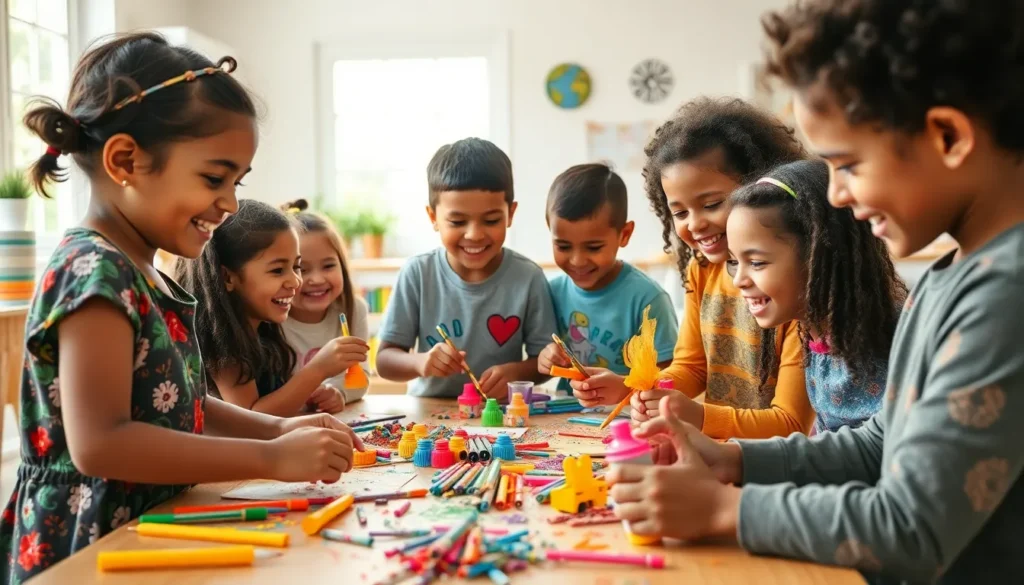
Visual arts encompass painting, sculpture, photography, and ceramics. These artistic expressions provide means to convey messages and portray cultural significance. Galleries and exhibitions frequently feature local artists, enhancing community visibility and appreciation. Workshops also invite individuals to explore their artistic talents while learning new skills. Public art installations create engaging dialogues within communities, inviting interpretation and interaction. Each piece typically reflects the values and traditions of the society it represents, fostering deeper understanding.
Festivals and Celebrations
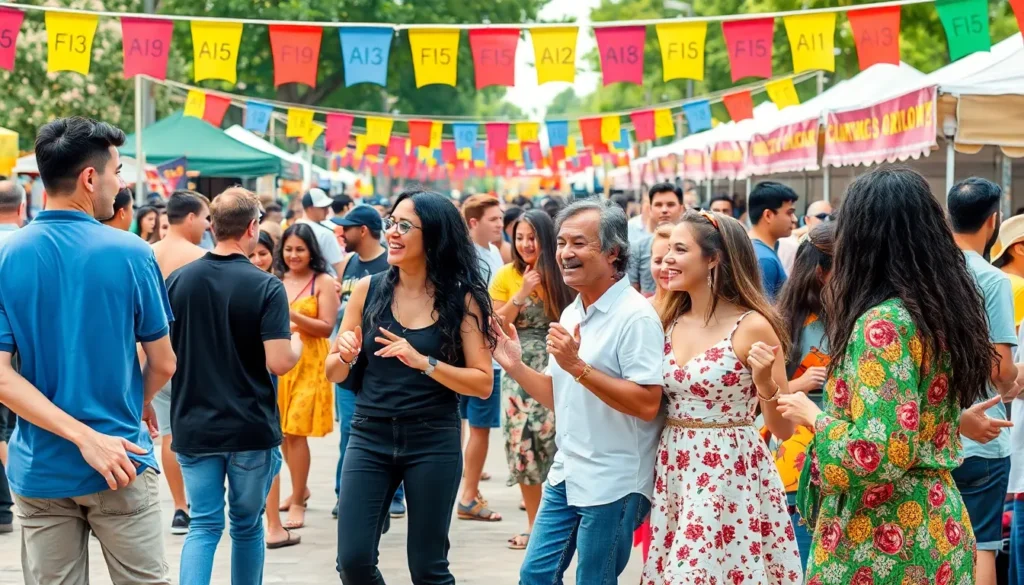
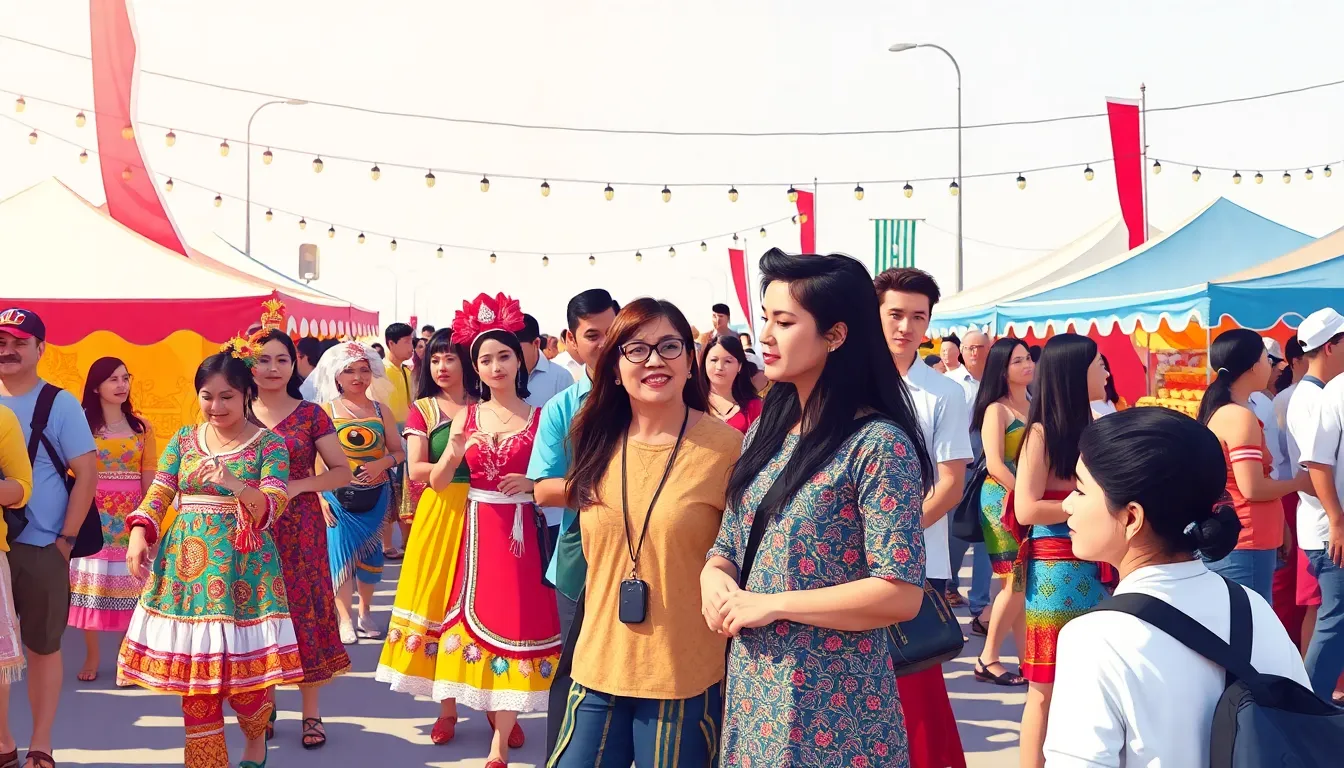
Festivals and celebrations offer vibrant opportunities to experience cultural heritage. These events, such as parades or food festivals, unite community members while celebrating shared values. Different cultures showcase their traditions through music, dance, and cuisine prominently during these gatherings. Annual events often draw significant attendance, reflecting community pride and togetherness. Holiday celebrations provide a chance for families to connect and honor their customs. Festivals frequently incorporate educational components, enhancing awareness of cultural diversity and fostering inclusivity.
Benefits of Engaging in Cultural Activities
Cultural activities offer numerous advantages that enhance individual and community well-being.
Social Interaction
Social interaction forms a core benefit of engaging in cultural activities. Groups gather at events like concerts, theater performances, and festivals, creating opportunities for connection. Participants meet new people who share similar interests or cultural backgrounds. Conversations often spark friendships and collaborations, fostering a sense of belonging. Cultural activities encourage teamwork and communication, essential skills for building strong relationships. Overall, these interactions cultivate a supportive social network that enriches personal lives.
Personal Growth
Personal growth emerges as another key benefit of cultural activities. Exposure to diverse art forms and experiences broadens perspectives and enhances creativity. Individuals develop critical thinking skills by analyzing performances and artistic expressions. Engaging in cultural events also nurtures emotional intelligence, helping individuals understand varied human experiences. Participation often boosts self-confidence through experiences like public speaking during performances or artistic displays. Each interaction contributes to a fulfilling personal journey and the ability to appreciate cultural nuances.
Community Development
Community development thrives through cultural activities. Local events strengthen ties among residents, encouraging collaboration and volunteerism. Festivals and art exhibitions attract visitors, which boosts local economies. Initiatives often promote local talent, showcasing artists and performers while celebrating shared identities. Involvement in cultural activities fosters pride in community heritage and supports inclusivity. Ultimately, these efforts lead to vibrant communities that foster understanding and appreciation for diversity.
Challenges in Cultural Activities
Cultural activities face several challenges that can impact participation and engagement.
Accessibility Issues
Accessibility remains a significant barrier for many individuals. Physical limitations hinder attendance at events located in inaccessible venues. Additionally, economic constraints prevent people from affording ticket prices or transportation. Language differences create another challenge, making it difficult for non-native speakers to engage fully. Resources should include translation services to foster inclusivity. Efforts to accommodate individuals with disabilities enhance participation and promote broader community involvement.
Funding and Support
Securing adequate funding for cultural activities presents a constant challenge. Many initiatives rely on grants and donations that can fluctuate annually. Insufficient public funding limits the quality and scope of events, reducing opportunities for local artists. Sponsorships can provide alternative revenue sources but often come with restrictions that strain creativity. Community support plays a crucial role in sustaining activities, ensuring they reflect local interests and heritage. Prioritizing investment in cultural programs enhances community vitality and strengthens shared identity.
Conclusion
Cultural activities are essential for enriching lives and fostering community bonds. They provide platforms for individuals to connect with their heritage while promoting creativity and personal growth. Engaging in these activities not only enhances social interaction but also nurtures a sense of belonging and pride within communities.
Despite challenges like accessibility and funding, the importance of supporting cultural initiatives cannot be overstated. Investing in these experiences cultivates vibrant communities that celebrate diversity and creativity. Embracing cultural activities leads to a deeper understanding of one another and strengthens the fabric of society.