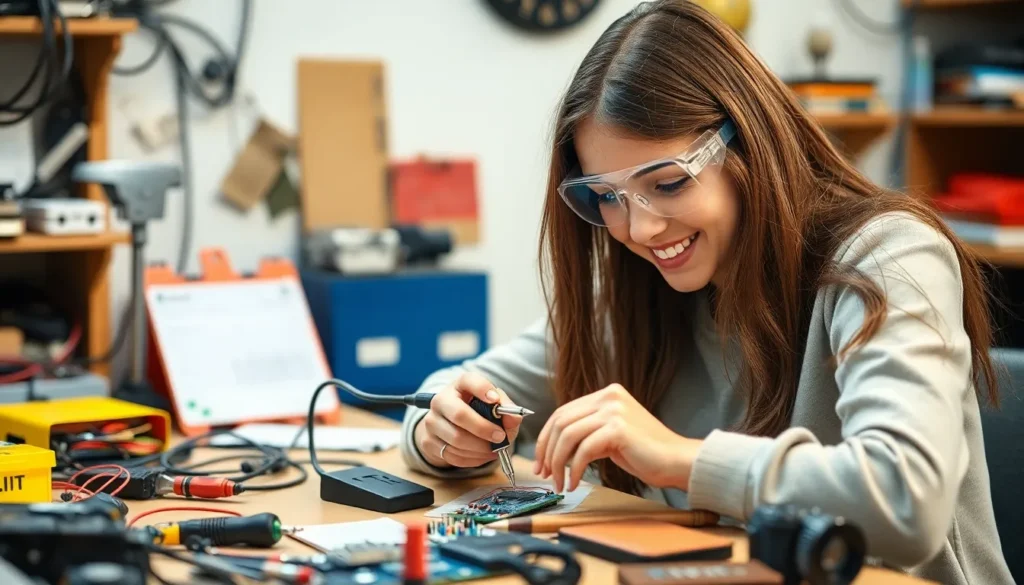

Picture this: It’s midnight, your kitchen table is a mess of wires, LEDs, and a half-eaten bag of chips. You just made a tiny light blink with a button press. It’s not much, but it feels like magic. That’s the thrill of diy electronic projects—the moment when a handful of parts and a wild idea come together, and suddenly, you’re the one in control.
Why DIY Electronic Projects Hook You
If you’ve ever stared at a gadget and thought, “How does this thing work?” you’re in the right place. DIY electronic projects aren’t just for engineers or tech wizards. They’re for anyone who’s curious, a little stubborn, and willing to learn from a few blown fuses. The best part? You don’t need a fancy lab or a PhD. You need a bit of patience, a few basic tools, and the guts to try, fail, and try again.
Who Should Try DIY Electronic Projects?
Let’s be honest: If you hate tinkering or get frustrated when things don’t work the first time, this might not be your thing. But if you love puzzles, enjoy learning by doing, or want to impress your friends with a homemade gadget, you’ll fit right in. Kids, teens, adults—anyone can start. You just need the itch to make something with your own hands.
Getting Started: What You Really Need
Here’s the part nobody tells you: You don’t need a mountain of gear. Start small. Here’s a basic list:
- Solderless breadboard
- Jumper wires
- LEDs and resistors
- Push buttons
- Arduino or Raspberry Pi (optional, but fun)
- Basic multimeter
- Patience (seriously, you’ll need it)
Don’t buy everything at once. Pick a project, then grab what you need. You’ll save money and avoid the “drawer of forgotten parts” that every maker eventually collects.
First Project Ideas: Start Simple, Learn Fast
Here’s where most people mess up: They try to build a robot that makes coffee and walks the dog on day one. Don’t. Start with something you can finish in an hour or two. Here are a few ideas:
- Blinking LED: The “Hello World” of electronics. Make a light blink with a button or timer.
- Simple buzzer alarm: Use a sensor or button to trigger a sound.
- Temperature monitor: Read the room temperature and show it on a tiny screen.
- Light-sensitive night light: Turn on an LED when it gets dark.
Each of these diy electronic projects teaches you something new—how to read a circuit diagram, how to troubleshoot, how to not burn your fingers with a soldering iron (ask me how I know).
Common Mistakes and How to Dodge Them
Let’s break it down. Everyone makes mistakes. Here are a few I’ve made, so you don’t have to:
- Skipping the datasheet: That little PDF is your best friend. It tells you what each pin does and how much power you can use.
- Forgetting resistors: LEDs burn out fast if you don’t limit the current. Always add a resistor.
- Messy wiring: Keep your wires short and organized. Trust me, tracing a problem through a spaghetti mess is no fun.
- Not double-checking connections: One loose wire can ruin your day. Check twice, power once.
If you’ve ever struggled with a project that just won’t work, you’re not alone. The trick is to treat every failure as a lesson. I once spent three hours debugging a circuit, only to realize I’d swapped two wires. Frustrating? Yes. But I never made that mistake again.
Level Up: Where to Find Inspiration and Help
Once you’ve built a few diy electronic projects, you’ll want more. Here’s where to look:
- Online communities: Sites like Instructables, Reddit’s r/diyelectronics, and Hackster.io are gold mines for ideas and advice.
- YouTube: Search for “diy electronic projects” and you’ll find step-by-step guides for every skill level.
- Books: “Make: Electronics” by Charles Platt is a classic for beginners.
- Local maker spaces: If you’re lucky enough to have one nearby, go! You’ll meet people who love to share tips and tools.
Here’s the secret: Most makers love to help. Ask questions. Share your wins and your fails. You’ll learn faster and have more fun.
Beyond the Basics: Turning Ideas Into Reality
Ready to go bigger? Try building a weather station, a home automation gadget, or a custom game controller. The only limit is your imagination (and maybe your budget). Here’s how to keep growing:
- Pick projects that solve real problems for you. Need a plant watering reminder? Build one.
- Document your process. Take photos, write notes, and share online. You’ll help others and remember what you learned.
- Don’t be afraid to fail. Every mistake is a step forward.
Next steps: Set a goal for your next project. Maybe it’s something useful, or maybe it’s just for fun. Either way, you’ll learn more by doing than by reading.
Final Thoughts: The Real Payoff
Here’s what nobody tells you: The real reward of diy electronic projects isn’t the finished gadget. It’s the moment you realize you can make things work with your own hands. It’s the pride in showing off a blinking light or a working alarm. It’s the confidence that comes from solving problems, one wire at a time.
If you’re ready to start, grab a breadboard and an LED. Make something blink. Then keep going. The world needs more makers—and you might surprise yourself with what you can build.